
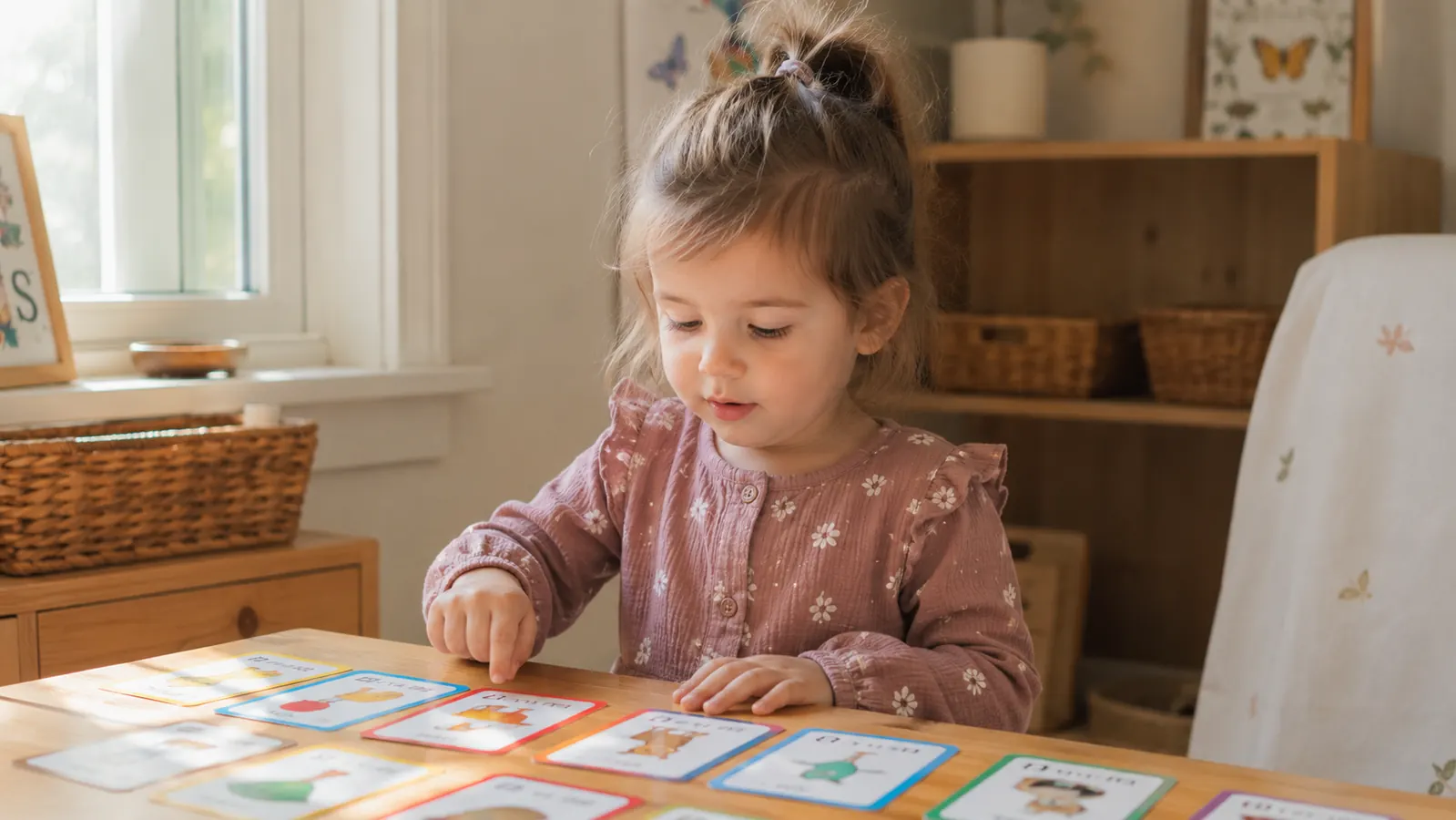
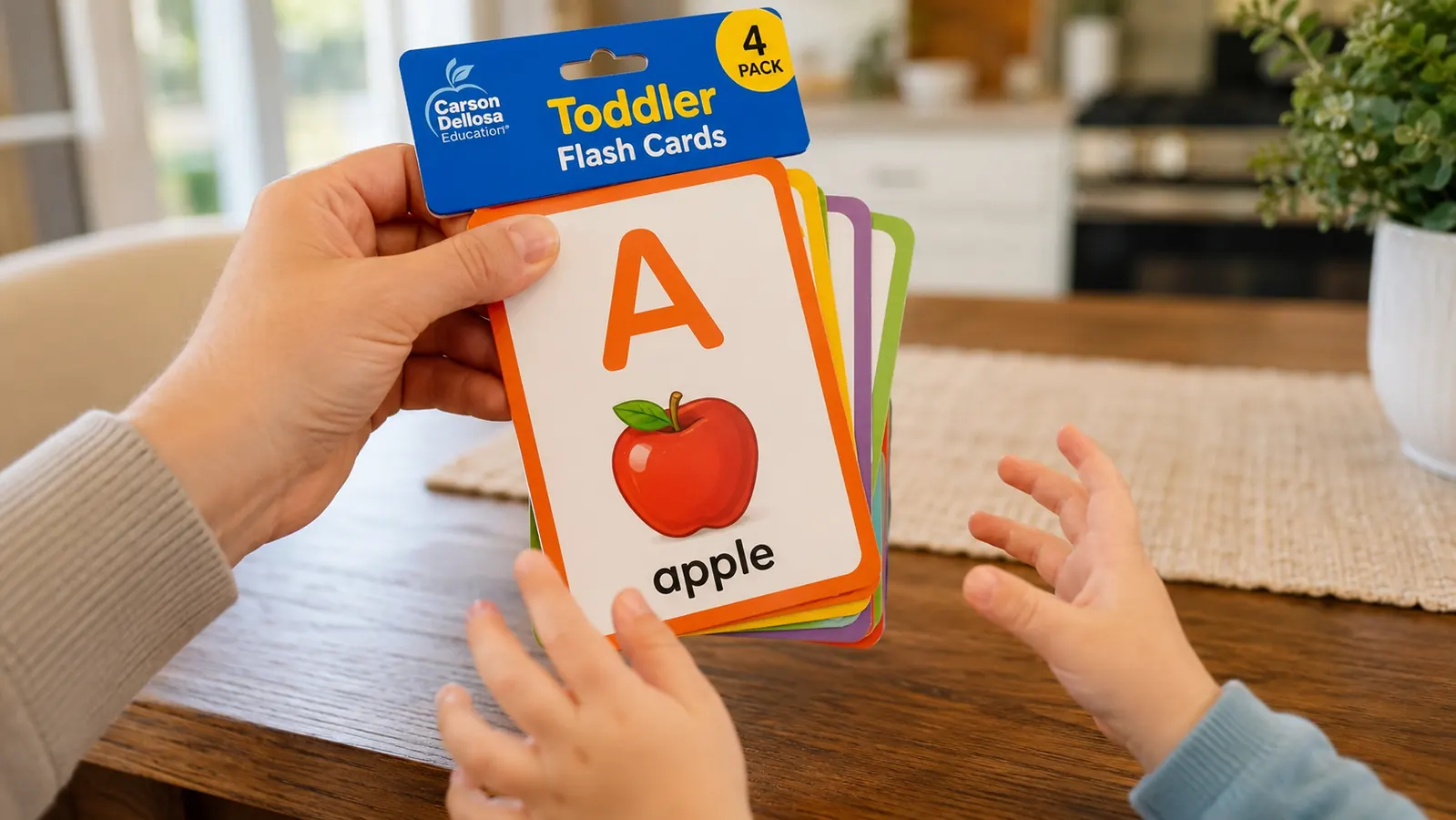
My sister asked me to help with her daughter Bea back in January. Bea had just turned two and a half and was not talking much. My sister was not panicking, but she was watching closely. I am a kindergarten teacher, so naturally she handed me a cup of coffee and asked what I would do. I told her I would start with flash cards. Not apps, not a subscription box. Simple, physical flash cards that a toddler could hold, point at, and carry around the house. She ordered the Carson Dellosa Toddler Flash Cards 4-Pack that same afternoon, and for the next four months I showed up at her kitchen table three or four mornings a week to work through them with Bea.
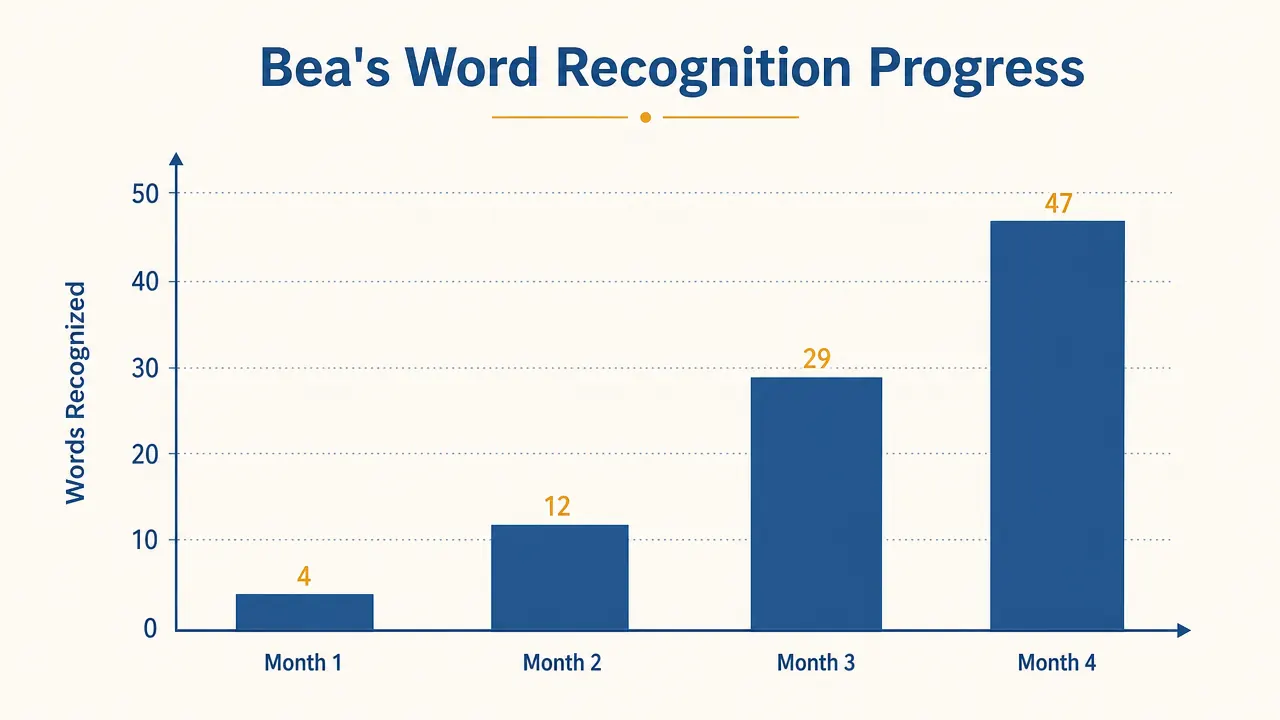
I kept notes. That is what teachers do. By the end of month four, Bea could identify 47 words from the sight word and alphabet decks with no prompting. She started calling her mom's phone a 'telephone' because she had seen the picture on the T card so many times. This review is my honest account of what those four months actually looked like, what the cards do well, where they fall short, and who should buy them.
The Quick Verdict
Durable, well-designed, and genuinely effective for toddlers 2 to 4. The four-deck variety pack is the best value on Amazon for early literacy basics.
Amazon Check Today's Price →Your toddler's vocabulary won't build itself. These cards are how we started Bea on real words, real fast.
The Carson Dellosa Toddler Flash Cards 4-Pack includes alphabet, sight word, numbers, and shapes and colors decks. Over 4,200 parents have left an average 4.8-star rating. Grab today's price on Amazon.
Amazon Check Today's Price on Amazon →How I Used Them Over Four Months
Our sessions were short by design. Toddlers don't sit still, and Bea was no exception. We aimed for five to eight minutes max, usually right after Bea finished breakfast while she was still seated. I would pull three or four cards from one deck, hold each one up, name it slowly, and then ask Bea to repeat it or point to the matching object in the room. She loved hunting for the apple on the A card whenever we had apples on the counter.
In month one we focused almost entirely on the alphabet deck. The illustrations are clean, one image per letter, bright but not overwhelming. Bea responded best to the animal cards because she could mimic the sounds. By week three she was grabbing the B card and saying 'bear' without any prompting from me. That was the first real sign we were getting traction.
In months two and three we added the numbers deck and started mixing in a handful of sight word cards. I did not push the sight words hard at this age, but I wanted Bea to start seeing them as familiar shapes. By month four her mom was running the sessions solo, which is exactly what you want: a simple enough system that a tired parent can do it on a Wednesday morning without a teacher in the room.
What the Cards Look Like Up Close
The cards are approximately 3 by 4 inches, which is the right size for toddler hands without being so small that they get lost under the couch. The cardstock is thick. Bea chewed on two of the alphabet cards in the first week. They survived. The corners show a little wear after four months of daily use, but nothing fell apart, nothing delaminated, and the print has not faded. That matters a lot to me as a teacher. I have seen cheaper flash card sets where the laminate peels after a few weeks.
The design is clean and purposeful. Each card shows one primary image and one large, easy-to-read letter or word. There is no visual clutter. That is a deliberate choice, and the right one for this age group. Toddler brains are still learning to filter stimuli. A card with seventeen decorative elements and three fonts is not a learning tool for a two-year-old. Carson Dellosa kept it simple, and the simplicity is a feature.
The Results After Four Months: A Closer Look
At the start of January, Bea could reliably name about four objects from pictures: dog, cat, ball, and cup. Those were her most used words. By the end of April she could identify 47 words unprompted from the combined decks. She recognized all 26 alphabet letters by name, could count objects up to ten using the numbers deck, and had a solid handle on basic shapes and colors.
I want to be honest about what the cards did and did not do. They did not teach Bea to read. That is not what flash cards do at this age. What they did was build a foundation: letter recognition, basic vocabulary, number concepts, and shape names. Those are the building blocks that kindergarten teachers count on kids having before they walk in the door. Bea is ahead of where most of my students start kindergarten, and she is only two and a half.
Her speech therapist, whom Bea was seeing once a month as a precaution, told her mom at the March appointment that Bea's vocabulary had 'expanded notably' and that consistent repetition with physical objects like flash cards was likely contributing. That is as close to a clinical endorsement as you can get from a five-minute appointment.
By month four, Bea's mom was running the sessions on her own. When the tired parent can do it solo on a Wednesday morning, you have the right tool.
What the 4-Pack Gives You and How the Decks Compare
The set includes four decks: Alphabet, Sight Words, Numbers, and Shapes and Colors. At the current price for all four together, you are paying roughly what you would for a single specialty deck from some competitors. That value is real and worth naming.
The alphabet deck is the strongest of the four. The illustrations are vivid and the letter associations are intuitive. The numbers deck is almost as good, with clear counting illustrations. The sight word deck is solid but best suited for children closer to three or four, not just-turned-two toddlers. The shapes and colors deck is fine but the thinnest of the four in terms of longevity. Once your child knows a circle is a circle, there is not much more that deck can teach. I would consider it the bonus deck rather than the core.
If I were buying this set for a classroom, I would use the alphabet and numbers decks constantly, supplement the sight words deck for my pre-K students, and use the shapes deck only in the first few weeks of school before retiring it. That is a lot of useful content for one purchase.

Tradeoffs and What I Wish Were Different
The ring mechanism that comes with the cards is a nice idea but does not hold up well under daily toddler use. The rings are thin metal and Bea bent two of them within a month. We switched to a simple rubber band to keep each deck together, and that worked fine. But if you are ordering this for a child who tends to be rough with materials, know that the rings will not last and plan for a backup storage solution.
The cards do not come with a suggested learning sequence or parent guide. For me, that was fine. But for a parent who has not spent time in an early childhood classroom, a simple one-page guide saying 'start here, do this much at a time, look for these signs of progress' would make the cards far more approachable. Carson Dellosa could add a QR code on the box linking to a brief how-to guide and it would meaningfully improve the experience for first-time parents.
The sight word deck is also slightly beyond what a true toddler is ready for. Words like 'they,' 'there,' and 'said' are K or pre-K territory, not 18-month-to-2-year territory. That is not a flaw, exactly. It means the set grows with your child. But if you are buying for a very young toddler expecting all four decks to be immediately usable, you may find two of the four sit in the box for six months before they are developmentally appropriate.
What I Liked
- Thick, durable cardstock that survives genuine toddler use, including chewing
- Clean, uncluttered illustrations that work well for young visual learners
- Four decks in one purchase at a price that beats single-deck competitors
- Alphabet and numbers decks are genuinely excellent for ages 2 to 4
- Simple enough for a tired parent to run solo without teacher support
Where It Falls Short
- Metal binding rings are flimsy and bend with daily use
- No parent guide or suggested learning sequence included
- Sight word deck is better suited for age 3 to 4, not true toddlers
- Shapes and colors deck has limited longevity once basics are mastered
Who This Is For
These cards are ideal for parents of toddlers ages two to four who want a low-screen, low-cost way to build early literacy foundations. They are especially good for parents of late talkers, children in bilingual households building English vocabulary, and any family that does short, consistent learning sessions rather than long structured lessons. Teachers and childcare providers who want a no-prep card set they can pull out during small group time will also get a lot out of the alphabet and numbers decks specifically.
Who Should Skip It
If your child is already past the alphabet and basic numbers stage, this set has limited new ground to cover. The sight word deck will carry you a little further, but a child who is reading simple books at age five does not need these cards anymore. For that age, you would be better served by a phonics-specific card set or a word-building game with more complexity. Similarly, if you want something a child can use fully independently from day one, this set requires an adult to lead the sessions. It is not a self-directed learning toy.
Four months in, Bea knew 47 words. The cards cost less than a lunch out. That math works.
The Carson Dellosa Toddler Flash Cards 4-Pack covers alphabet, sight words, numbers, and shapes. Over 4,200 parent reviews average 4.8 stars. Durable enough for toddler hands, simple enough for a tired parent to use without prep.
Amazon Check Today's Price on Amazon →